Every year across Borneo, communities in Sabah and Sarawak come together to celebrate Kaamatan and Gawai, two of the island’s most important indigenous harvest festivals. Celebrated just days apart, the festivals are often mentioned together because both are deeply rooted in rice farming traditions, communal thanksgiving, and indigenous cultural identity.
While Kaamatan and Gawai share common harvest festival origins, each celebration evolved through different histories, customs, and indigenous traditions shaped by the cultural landscapes of Sabah and Sarawak respectively.
Today, both festivals continue to thrive as living cultural traditions that bring together families and communities across Sabah and Sarawak through food, music, rituals, performances, and communal gatherings.
Shared Harvest Roots Across Borneo
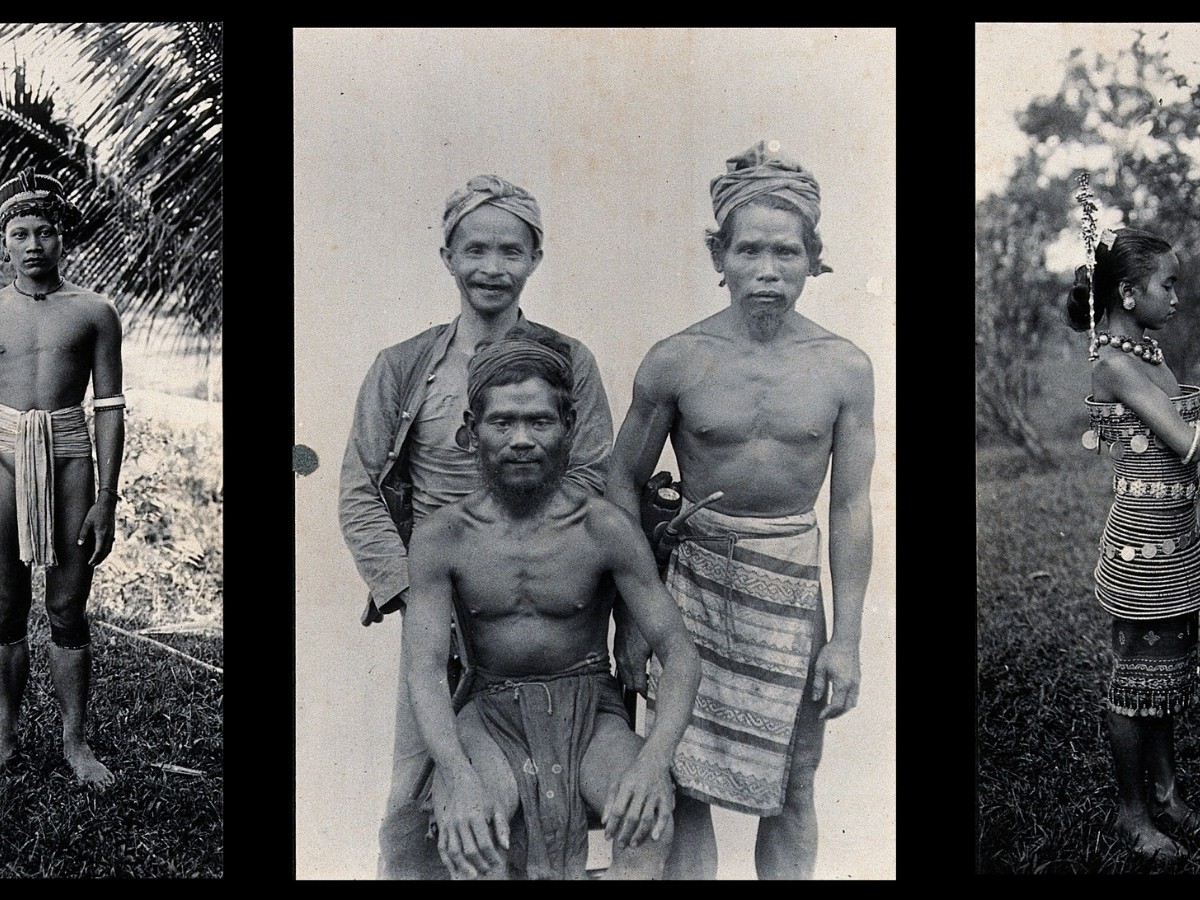
At their core, both Kaamatan and Gawai are harvest thanksgiving festivals rooted in rice cultivation, which historically shaped the cultural and communal life of many indigenous communities across Borneo.
Many of these traditions also reflect wider Austronesian cultural influences still visible across island Southeast Asia today.
Kaamatan: Sabah’s Harvest Festival
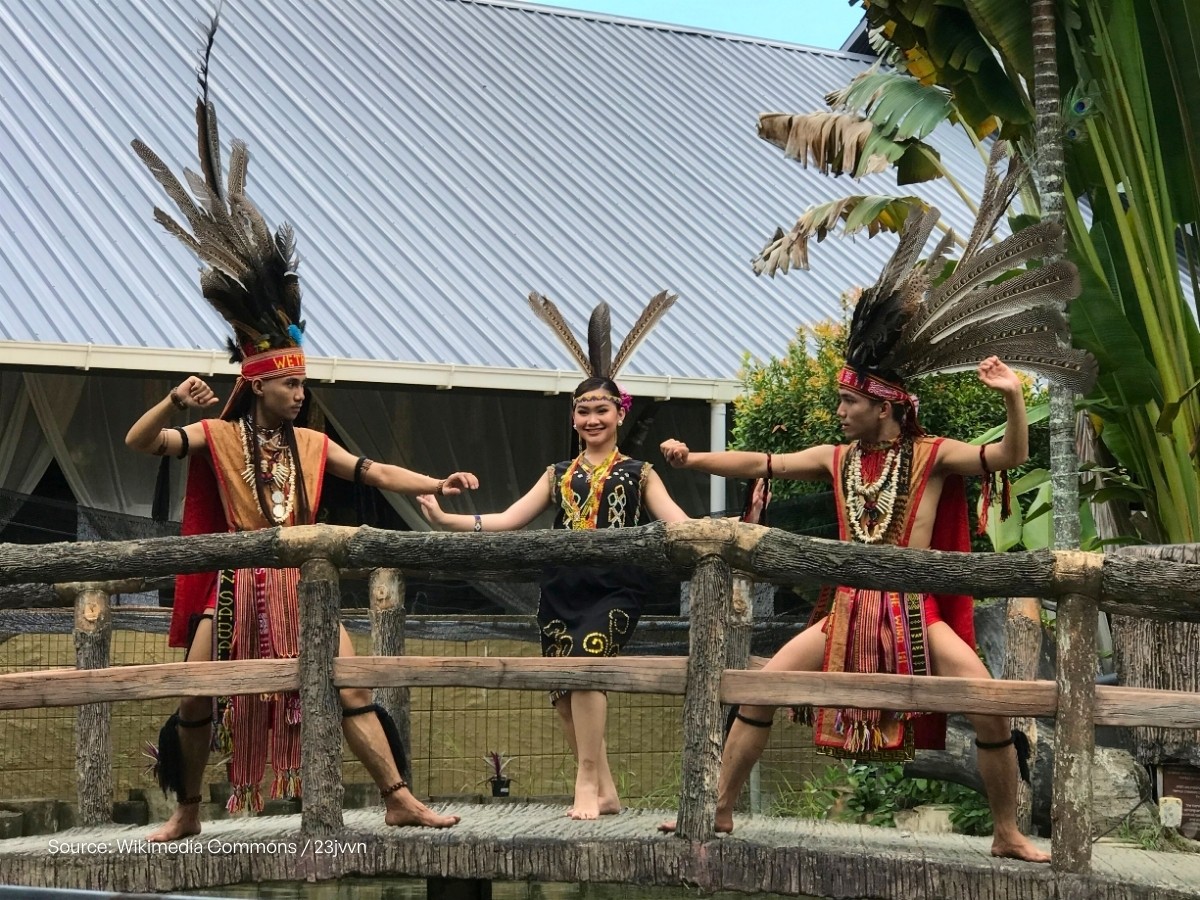
Kaamatan, also known as the Harvest Festival, is celebrated throughout Sabah during the month of May, culminating on 30th and 31st May. The festival is primarily associated with the Kadazan, Dusun, Murut, and Rungus communities, although celebrations today take place across Sabah’s multicultural society and involve many indigenous groups throughout the state.
One of the most important stories connected to Kaamatan is the legend of Huminodun, whose sacrifice is believed to have brought rice to humanity during a time of famine.
Because of this, rice continues to hold deep spiritual significance within Kadazandusun culture, particularly through beliefs surrounding Bambarayon, the rice spirit still referenced in traditional rituals and ceremonies today.
Traditional Kaamatan Celebrations
Modern Kaamatan celebrations combine traditional customs with large-scale cultural festivities held across Sabah.
Traditional attire, gong performances, dance, indigenous food, and communal gatherings remain central to the Kaamatan atmosphere across Sabah. District celebrations take place throughout May, culminating in the large statewide celebration at the Kadazandusun Cultural Association (KDCA) in Penampang.
One of Kaamatan’s most iconic events is the Unduk Ngadau cultural pageant, inspired by the story of Huminodun. Contestants often wear elaborate traditional attire representing different districts and ethnic communities across Sabah, highlighting the state’s rich indigenous diversity.
Kaamatan is also closely associated with communal gatherings, traditional food, lihing, tapai, and open house celebrations held throughout Sabah during the harvest season.
Gawai Dayak: Sarawak’s Harvest Festival
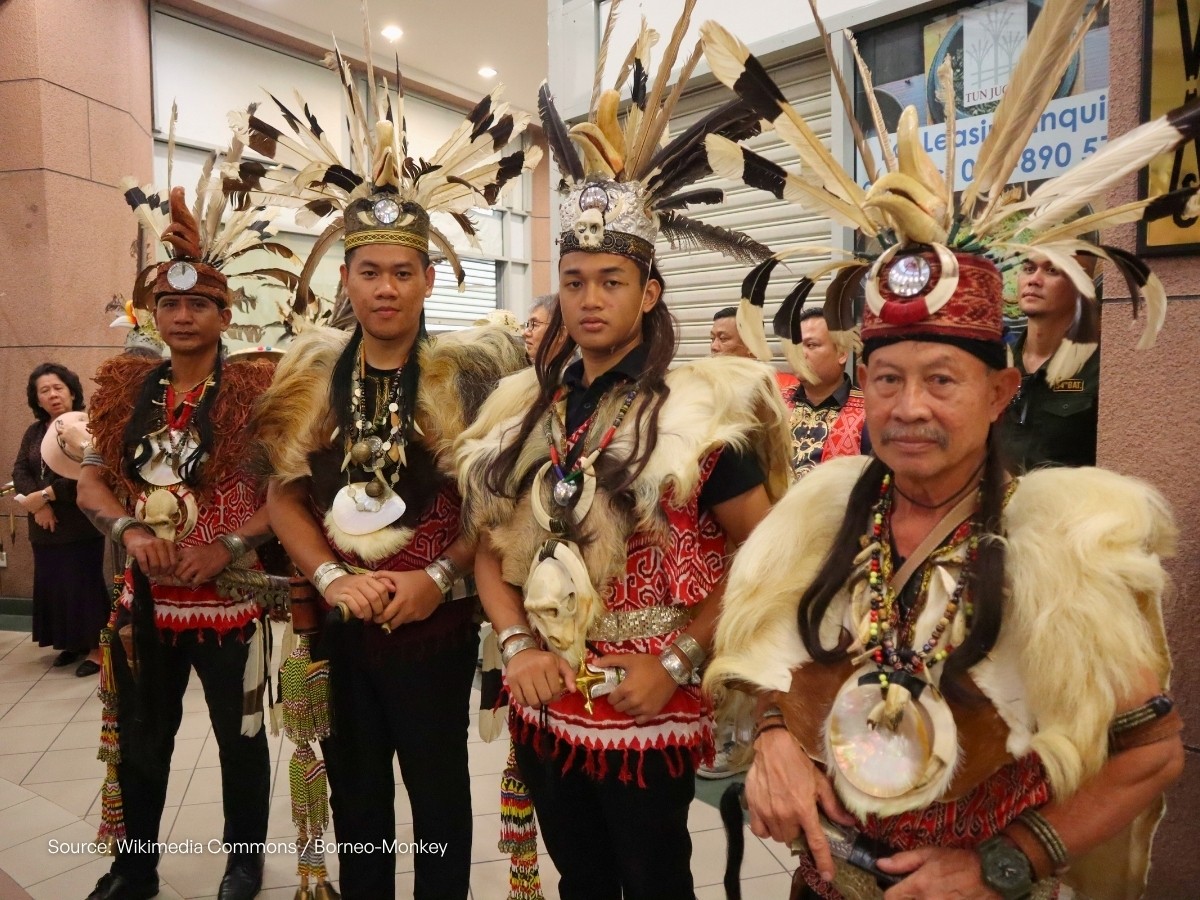
In neighbouring Sarawak, Gawai Dayak is celebrated annually on 1st and 2nd June by the Dayak communities, particularly the Iban, Bidayuh, and Orang Ulu groups that make up Sarawak’s rich indigenous cultural landscape.
Readers interested in learning more about Sarawak’s diverse indigenous communities and longhouse traditions can also explore the state’s broader cultural heritage.
The festival officially became a public holiday in Sarawak in 1965, although its harvest traditions are much older and closely tied to agricultural life and longhouse communities.
The word “Gawai” generally refers to a festival or ceremonial celebration. Today, Gawai represents gratitude for a successful harvest while also marking renewal, prosperity, family reunions, and hopes for the coming year.
For many Dayak families, Gawai is an important balik kampung occasion where relatives return to ancestral longhouses to celebrate together.
Traditional Gawai Celebrations
While modern Gawai celebrations now include public events, concerts, cultural showcases, and tourism activities, longhouse gatherings and communal hospitality remain central to the festival’s identity.
Some communities continue to practise rituals intended to cast away negativity and misfortune from the previous year before welcoming new blessings.
Longhouses become the heart of Gawai celebrations, bringing together families and visitors for traditional dances, storytelling, music, feasting, and rice wine ceremonies. A well-known part of Gawai culture is ngabang, the practice of visiting friends, relatives, and neighbouring longhouses to share food, drinks, and celebrations together.
Food and hospitality also remain central to Gawai celebrations, particularly through communal feasting, tuak rice wine, and traditional dishes served during longhouse gatherings.
Kaamatan vs Gawai: What’s the Difference?
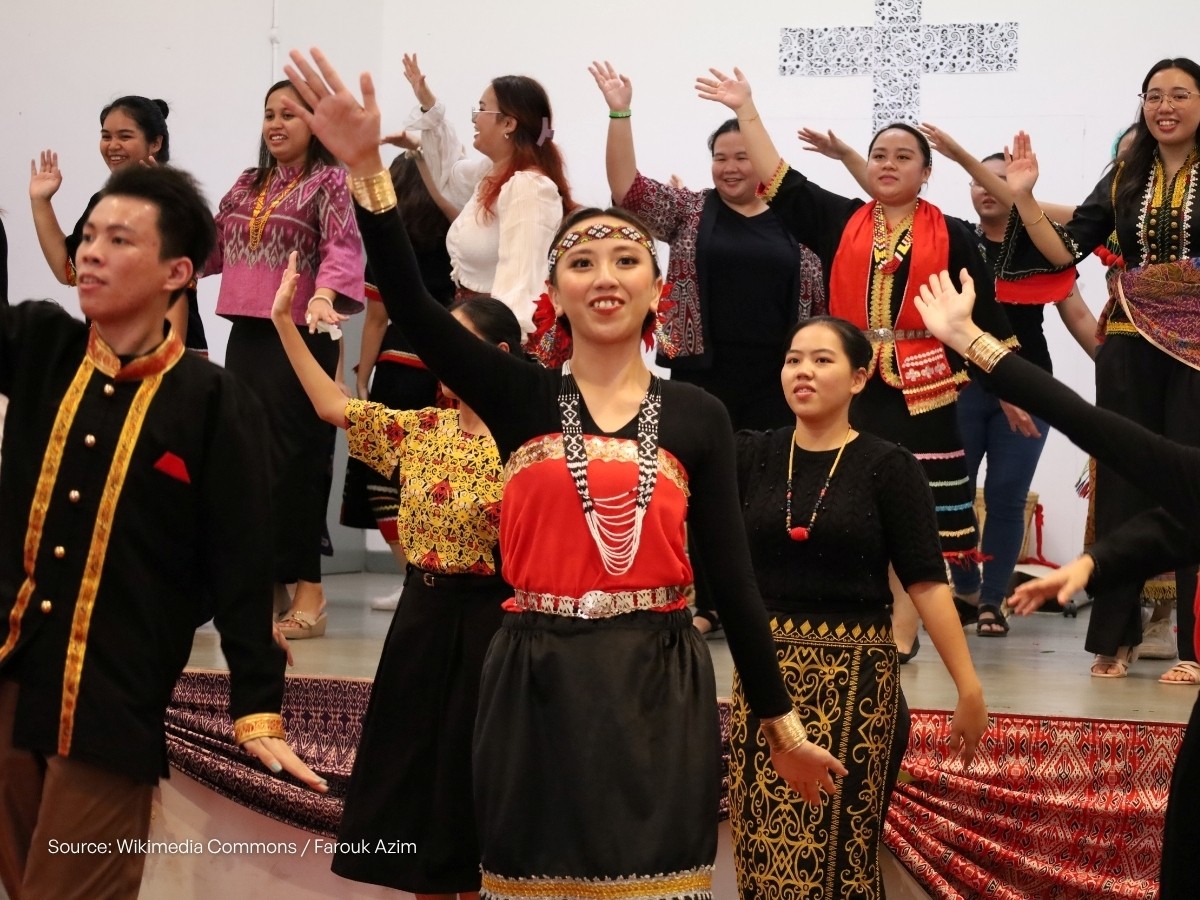
Although Kaamatan and Gawai share common harvest festival roots, they evolved through different indigenous histories, myths, and cultural traditions that continue to shape how each festival is celebrated today.
Kaamatan is closely associated with Kadazandusun cultural identity, the legend of Huminodun, and statewide celebrations centred around districts and cultural institutions such as KDCA. Gawai, meanwhile, remains strongly tied to Dayak longhouse culture, ngabang hospitality traditions, and family reunions across Sarawak.
| Aspect | Kaamatan | Gawai |
|---|---|---|
| Main Region | Sabah | Sarawak |
| Indigenous Communities | Kadazan, Dusun, Murut, Rungus, and more | Iban, Bidayuh, Orang Ulu, and others |
| Dates | 30 - 31 May | 1 - 2 June |
| Cultural Roots | Huminodun legend and Bambarayon rice spirit | Dayak harvest thanksgiving traditions |
| Highlights | Unduk Ngadau cultural pageant | Longhouse gatherings and ngabang traditions |
| Main Celebration | KDCA and district events | Longhouses and community gatherings |
| Traditional Rice Wine | Lihing and tapai | Tuak and langkau |
Despite these differences, both festivals remain important expressions of indigenous identity, cultural continuity, gratitude, and community across Borneo.
Modern Celebrations and Cultural Tourism
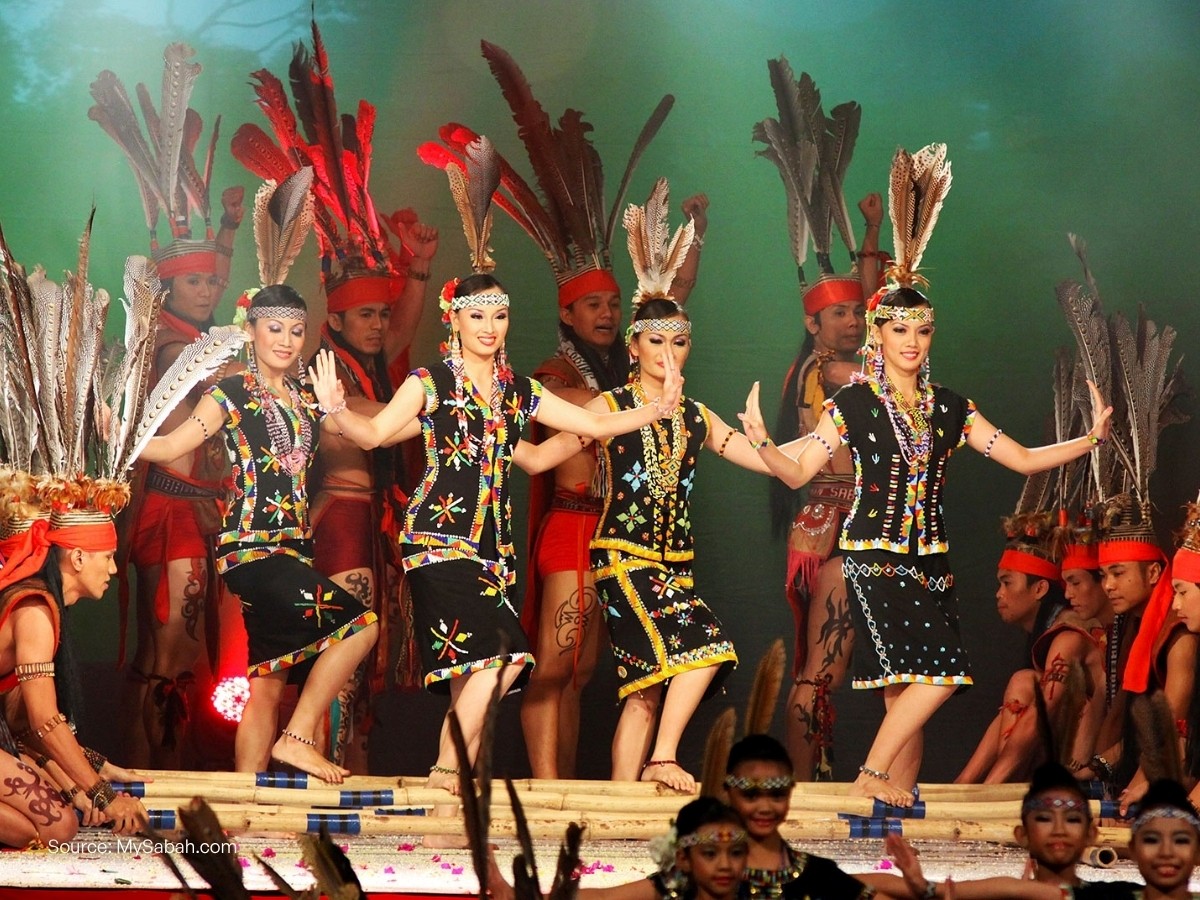
Today, visitors can experience Kaamatan and Gawai through cultural performances, traditional food, community celebrations, longhouse gatherings, and heritage events held across Sabah and Sarawak.
In Sabah, the KDCA grounds in Penampang become one of the main centres of Kaamatan celebrations each year. In Sarawak, many travellers seek more immersive Gawai experiences through longhouse visits and community celebrations in rural areas such as Batang Ai and Kapit.
However, beyond tourism, both festivals continue to play an important role in preserving indigenous languages, traditions, stories, and cultural practices in modern Borneo.
Celebrating the Cultural Heart of Borneo
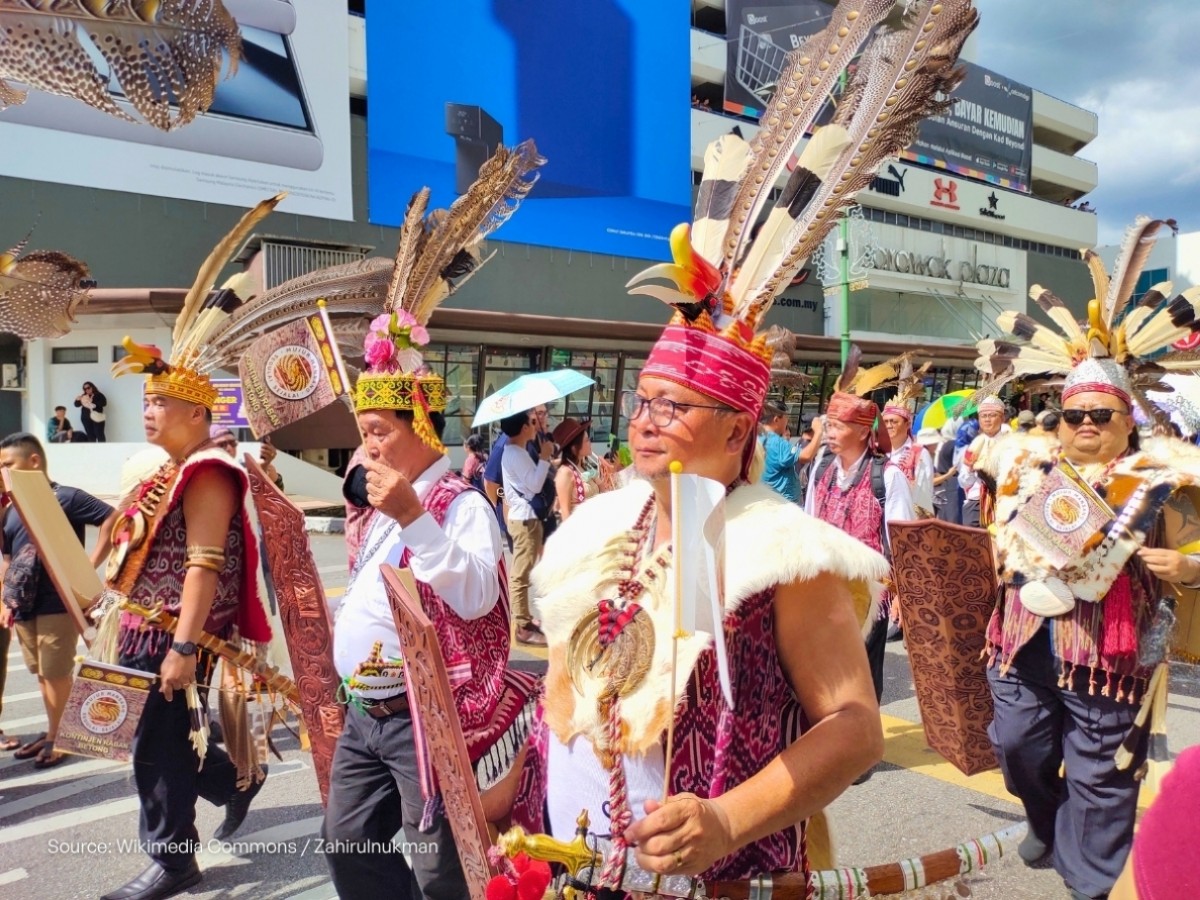
Kaamatan and Gawai are far more than seasonal festivals.
They reflect the histories, beliefs, and communal traditions that continue to shape indigenous life across Sabah and Sarawak today. Although each celebration developed through its own distinct cultural identity, both festivals remain deeply connected through shared values of gratitude, hospitality, resilience, and community.
For travellers, experiencing Kaamatan or Gawai offers an opportunity to better understand the cultural heart of Borneo through traditions that continue to unite generations across the island.
Planning to visit Borneo during Kaamatan or Gawai? We can help you customise a Sabah and Sarawak itinerary that includes cultural experiences, longhouse visits, festivals, food, and local traditions.
Contact us on WhatsApp to start planning your trip.
 Message Us
Malaysia Itinerary Ideas for First-Time Visitors: 3, 7, 12 and 14 Days
Is Sabah Safe to Visit in 2026? US Eases Travel Advisory
Kaamatan and Gawai: Understanding Borneo’s Two Great Harvest Festivals
8 Best Eco-Experiences in Malaysia for Your 2026 Bucket List
10 Unique Things to Do in Malaysia You Won’t Find Anywhere Else